Overview
I have an IKEA BESTÅ cabinet in my living room. The purpose of the cabinet is to hide all the cables of the TV, decoders, and game consoles, and to store network switches and routers. However, the only issue is that the rear panel of the cabinet must be removed, and as a result, the structure becomes unstable and bends immediately.
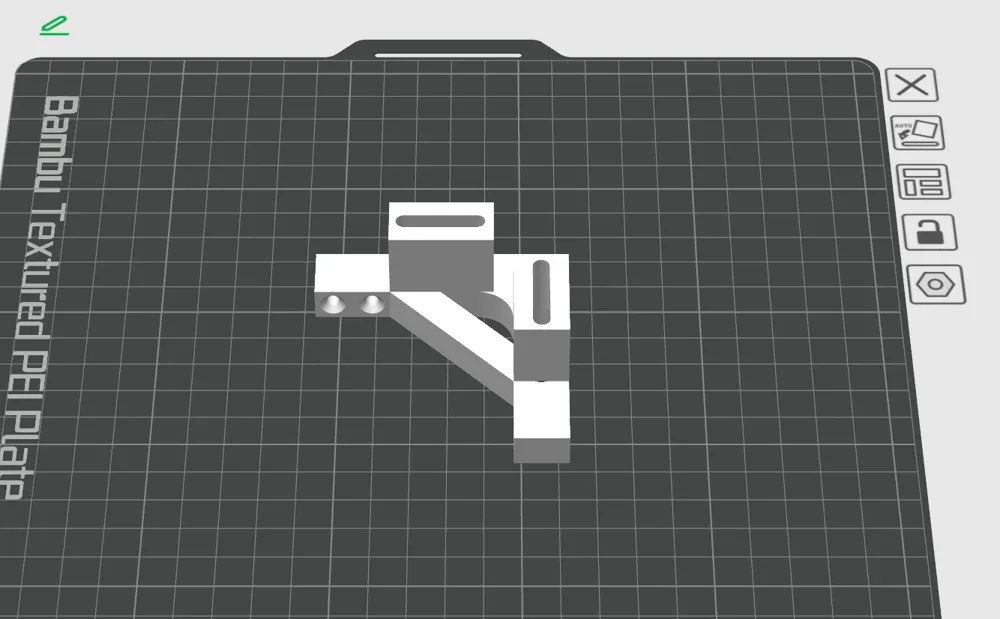
I designed this angular support to be fixed to the wall and the side panels. The bracket makes the cabinet robust enough to support the weight of the object placed on the top plane, and keeps it steady, avoiding any kind of bending.
The rear panel of a BESTÅ unit is not just decorative, it is a structural piece that ties the two side panels together and keeps the whole cabinet square. The moment you remove it to route TV, network, and power cables through the back, that bracing disappears, and the cabinet is left relying only on the top and bottom panels to keep it rigid. Under any real load, a TV, a stack of AV equipment, a router, that is not nearly enough, and the whole structure starts to rack sideways and bend at the corners.
This bracket replaces the structural role the rear panel used to play, but only at the corners, so the back stays open for cable routing and airflow around the networking equipment. It is a purely mechanical fix: no clips to align, no adhesive to cure, just a rigid angle bolted between the wall and the cabinet’s own side panels.
Note: The angular support can obviously be used with any kind of cabinet and furniture.
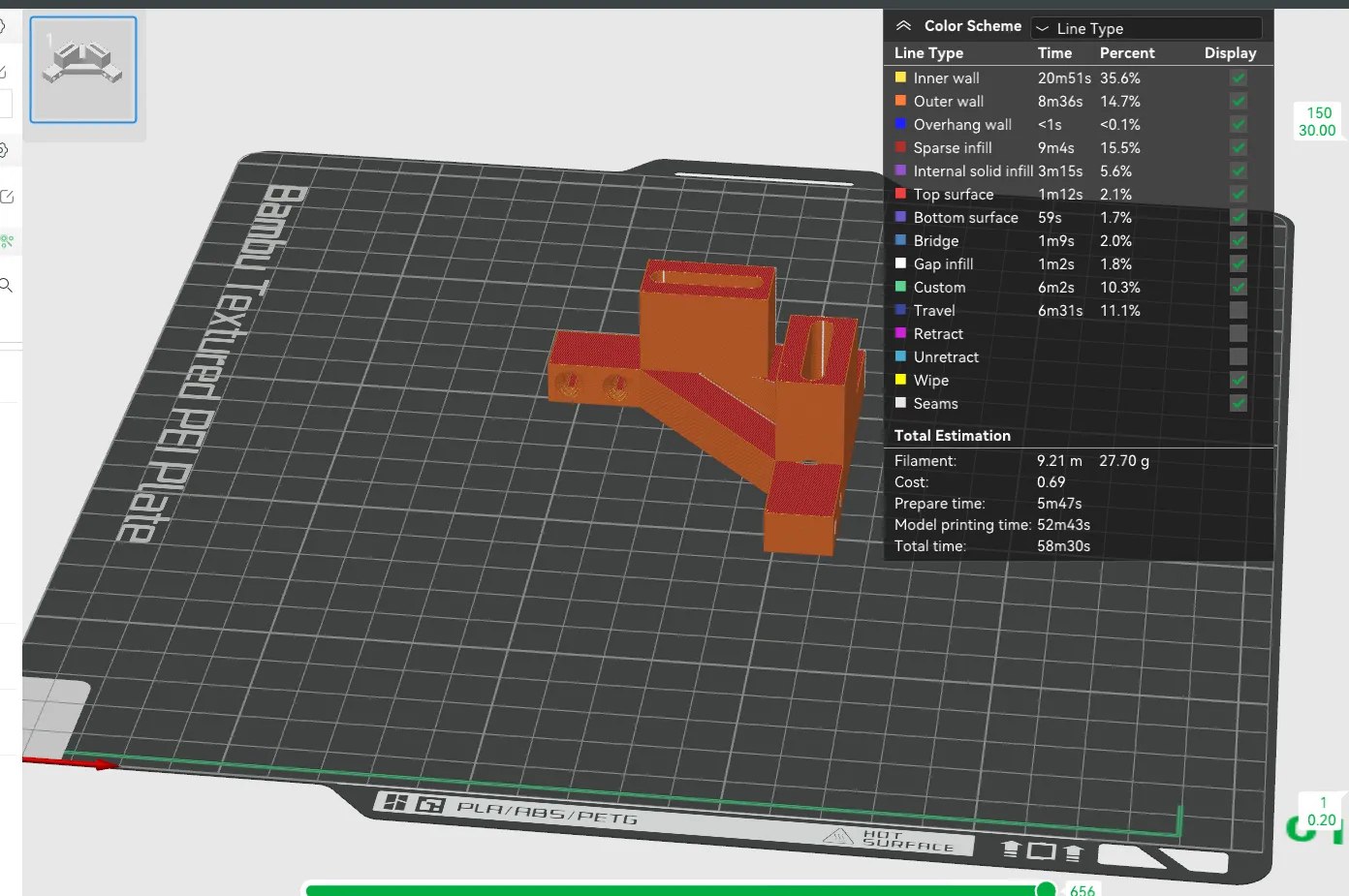
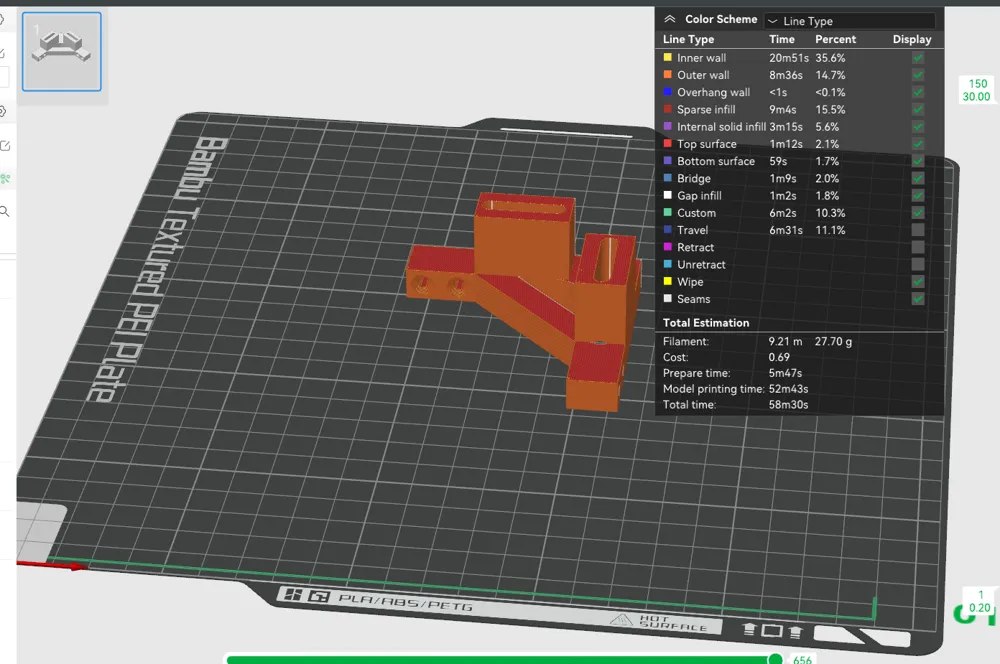
I recommend placing the piece on the bed as in the picture and printing with at least 3 walls and cubic/gyroid 30% infill. This is a load-bearing part working under real, sustained stress, not a decorative one, so I would rather over-specify the walls and infill a little than find out months later that the bracket was the weak point after all.
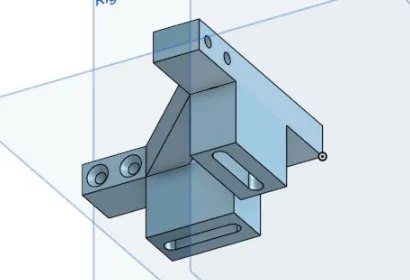
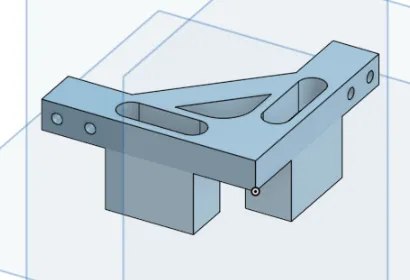
A cheap, sturdy fix for a problem furniture manufacturers rarely account for once you start modifying their designs.
A small angle bracket standing in for the structural panel I removed.
Since it mounts independently to the wall and to the cabinet’s side panels, it does not rely on the cabinet’s own screws or joinery at all, which means it works even on units that have already been assembled and loaded for a while, not just on a cabinet being built fresh.
Print profiles
The following profiles are authored by Myzhar and currently available on MakerWorld. They are synchronized from its public design API; select a profile to open it on MakerWorld.
| Profile | Materials | Weight | Print time |
|---|---|---|---|
| 0.2mm layer, 4 walls, 30% infill | PETG 28 g | 28 g | 58 min |
Download
The model is free to download and print, licensed under the Standard Digital File License.