Overview
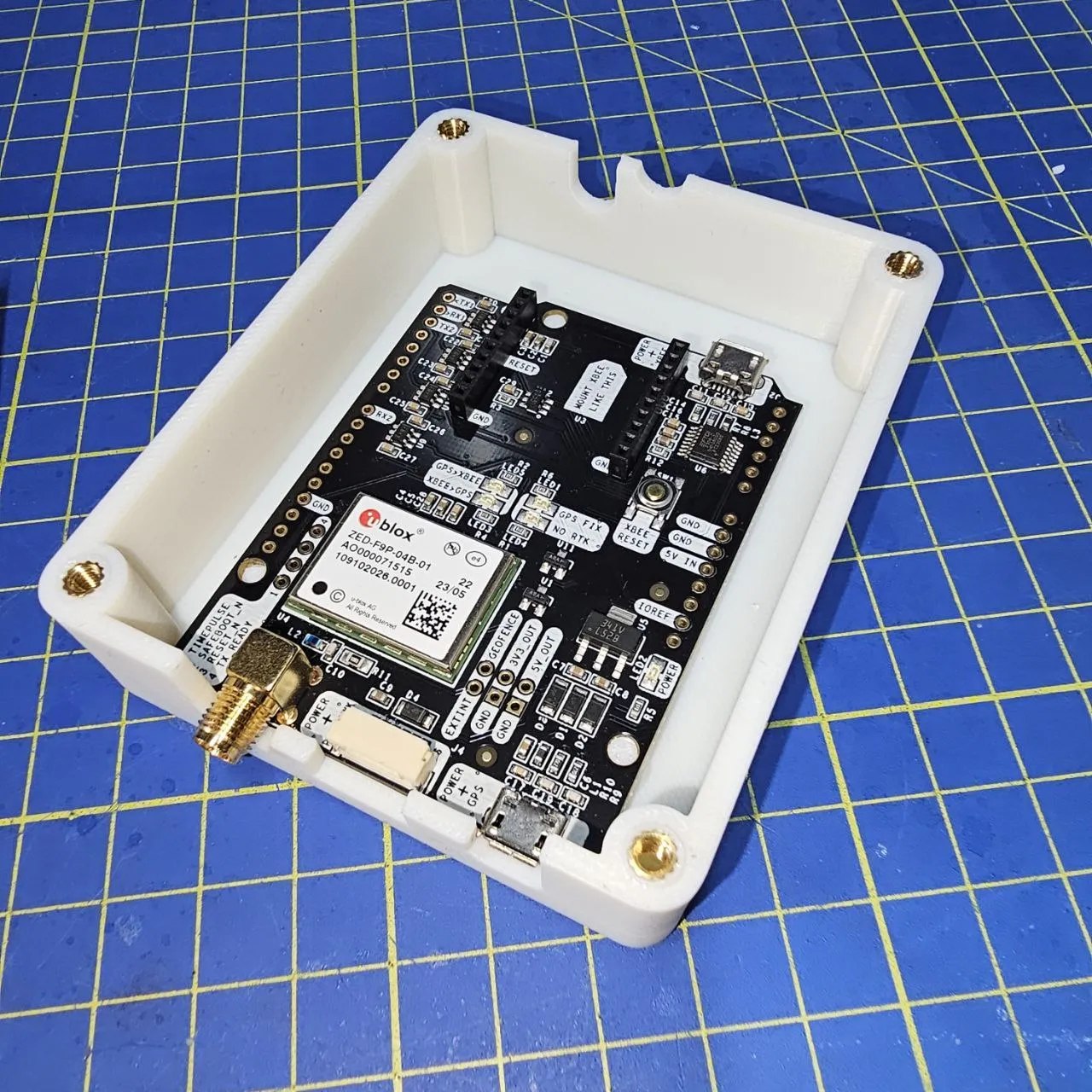
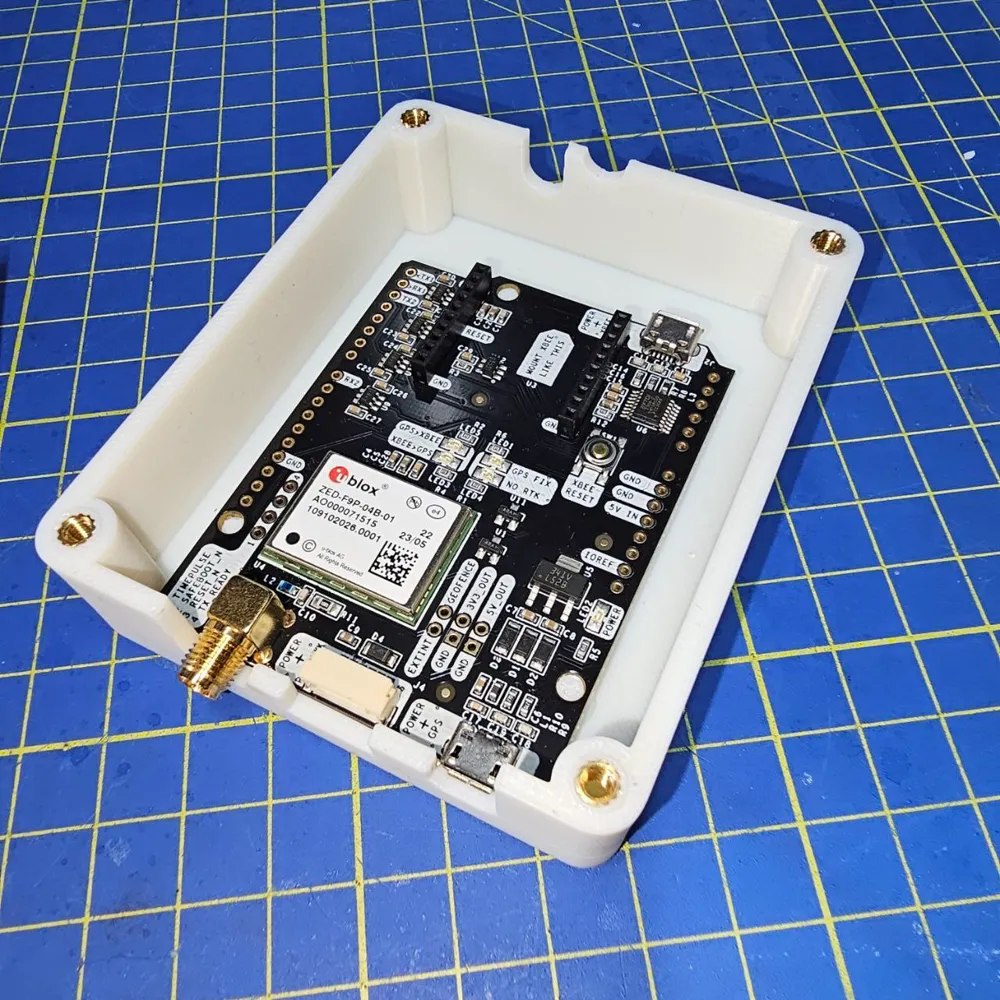
I reworked this GrabCad project to create a custom box for the ARDUSIMPLE simpleRTK2B Heading Starter Kit.
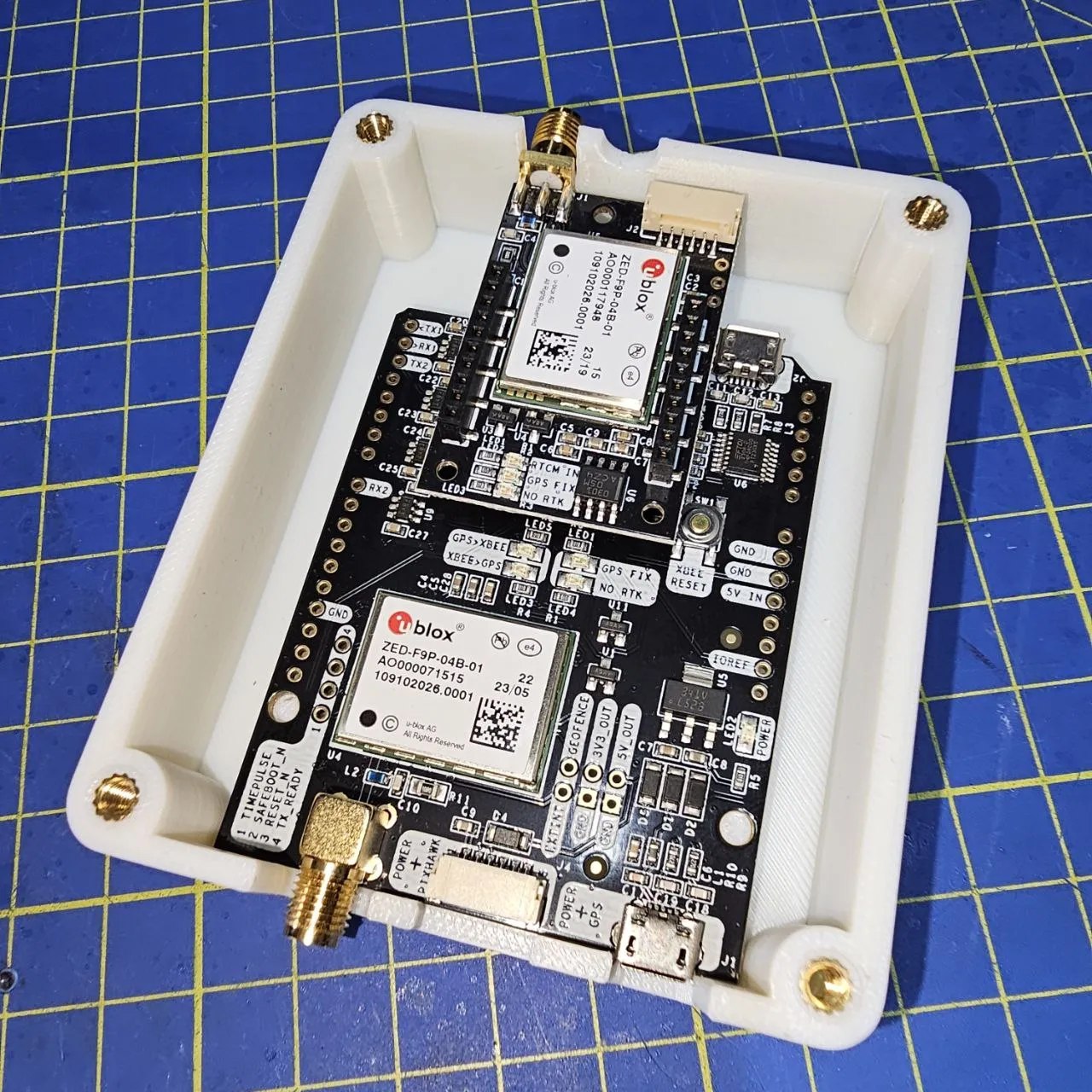
This kit pairs two u-blox ZED-F9P RTK receivers to work out not just a robot’s centimeter-level GPS position, but also its true compass heading, by comparing the signal phase between two antennas mounted a fixed distance apart, which is exactly the kind of reliable heading source a mobile robot needs for outdoor navigation. That is a big upgrade over estimating heading from a magnetometer or from GPS motion alone, both of which get unreliable at low speed or near ferrous metal. Two exposed RTK boards and a bundle of antenna and communication cabling are not something you want sitting bare on a robot chassis though, so a proper enclosure was one of the first things I needed once I started integrating this kit into my own projects.
Rather than start a box from scratch, I found a compatible enclosure design already published on GrabCad and reworked it to fit my own needs: the exact board stack, the connector layout I needed exposed, and the assembly method I prefer for my projects.
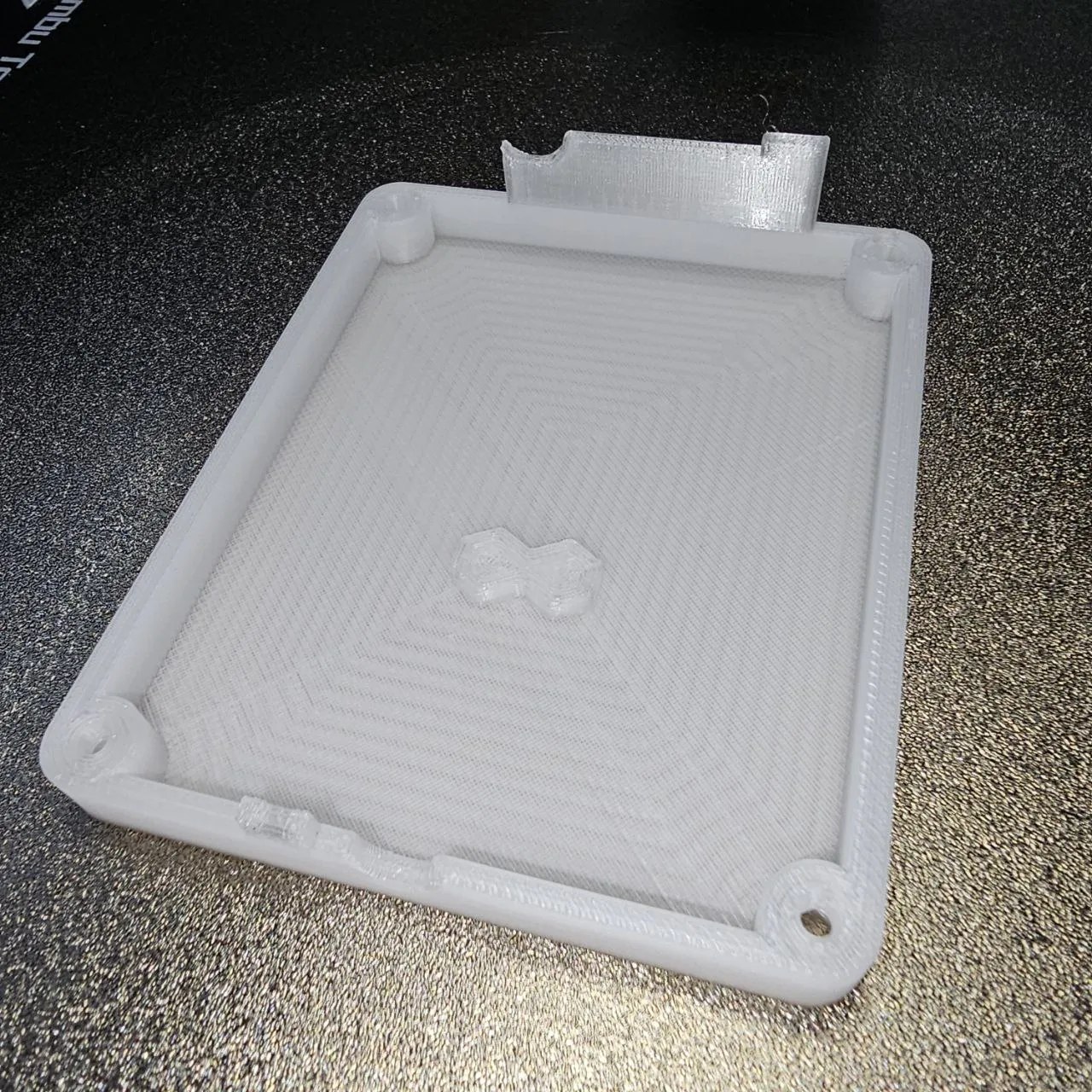
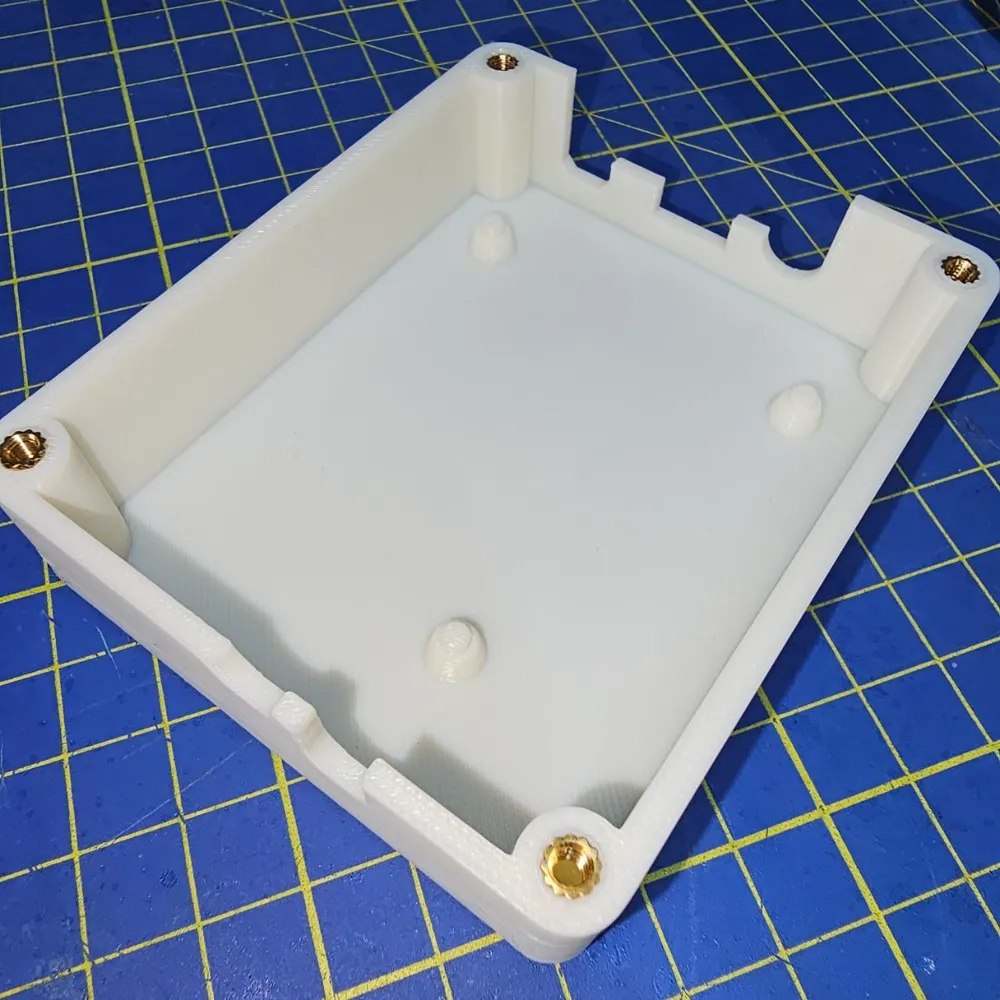
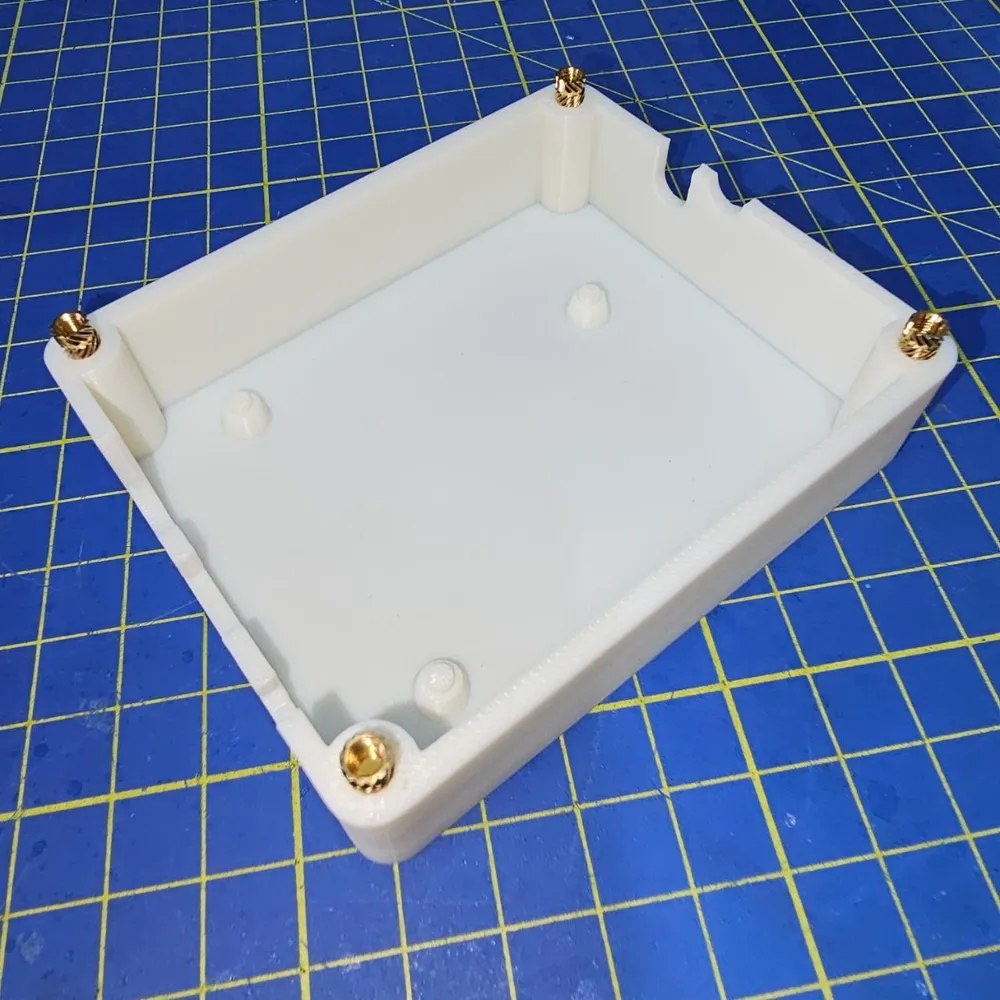
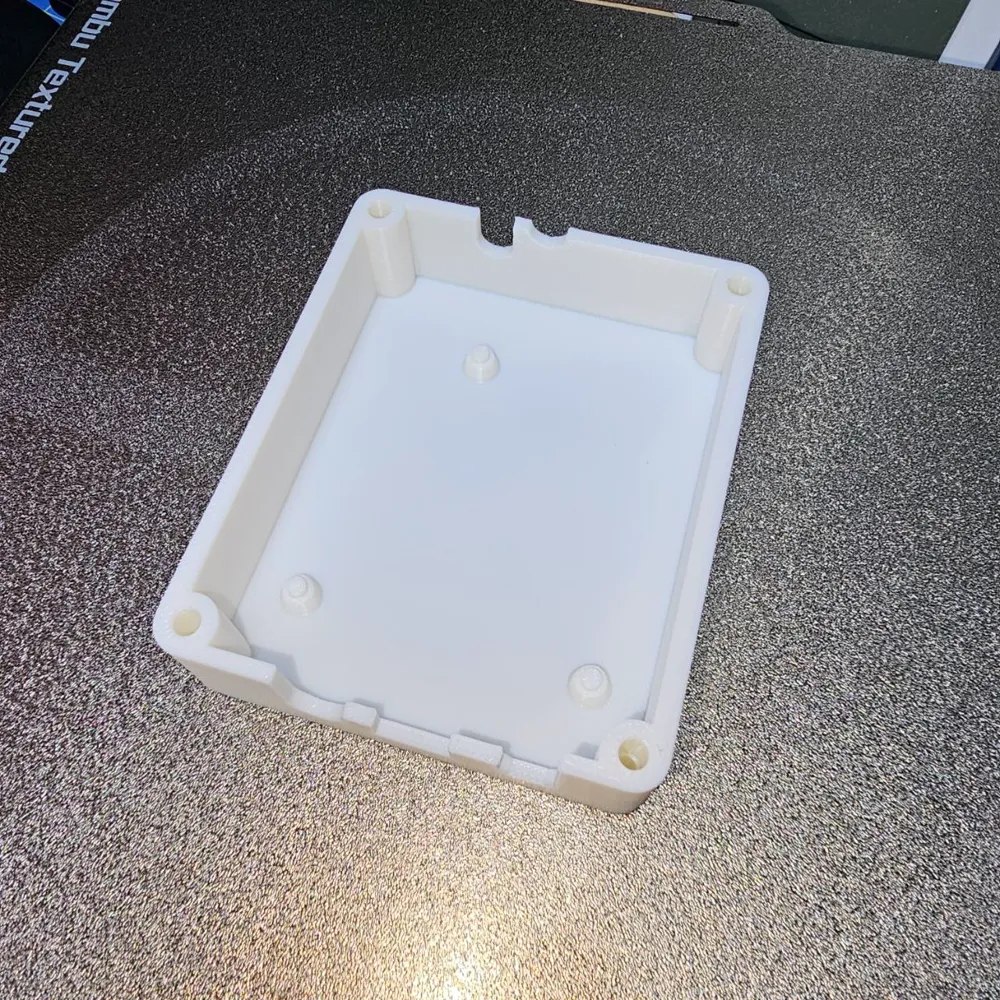
The bottom cover is fully closed, without holes, and I printed it in ASA to make it more resistant to UV. That choice matters if the box is going to live outdoors on top of a robot for any length of time: PLA gets brittle and warps under sustained sun exposure, while ASA holds up to UV and temperature swings much better, which is why I reach for it by default on any enclosure meant to spend real time outside.
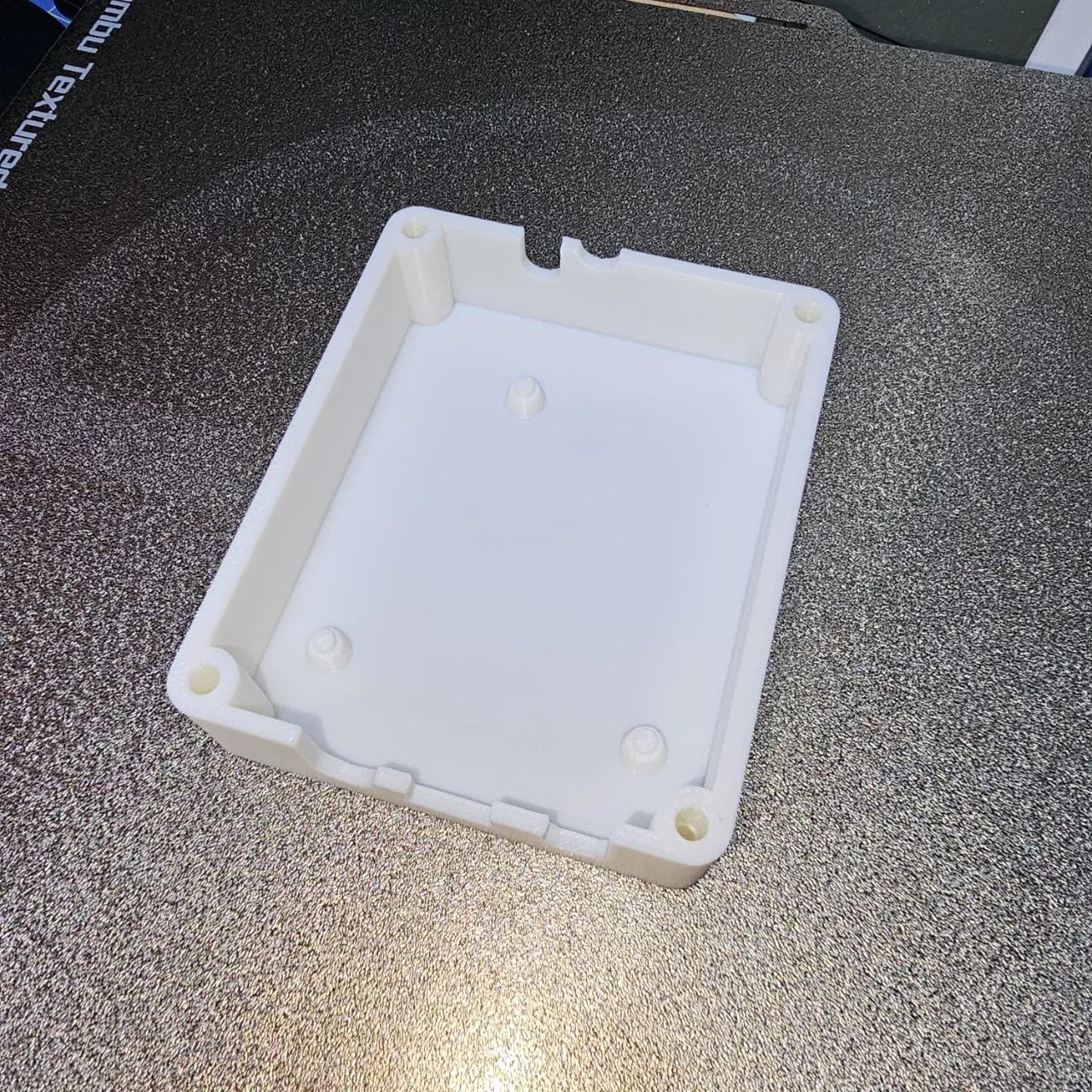
The cover holes are suitable for M3 brass inserts to lock to the top cover.
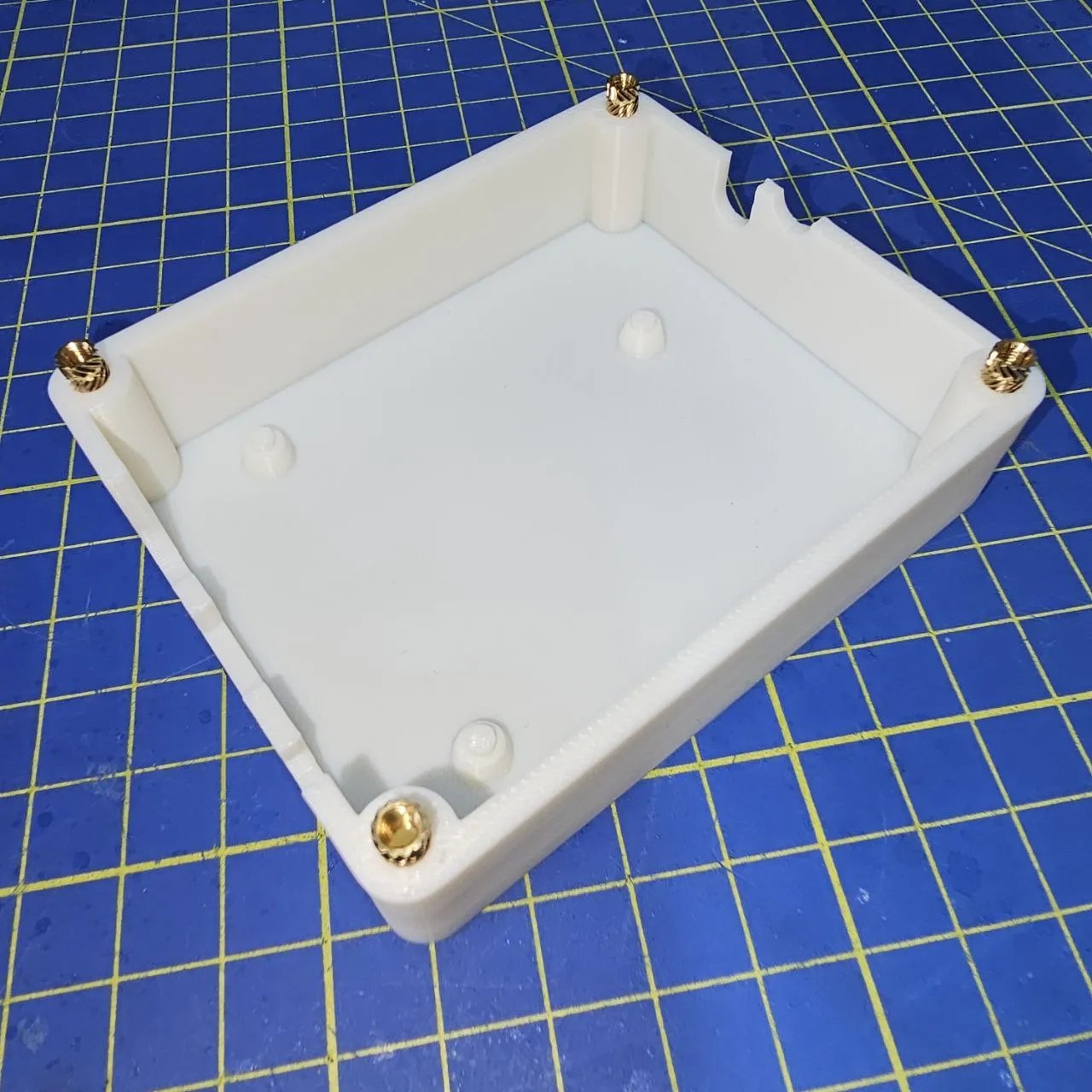
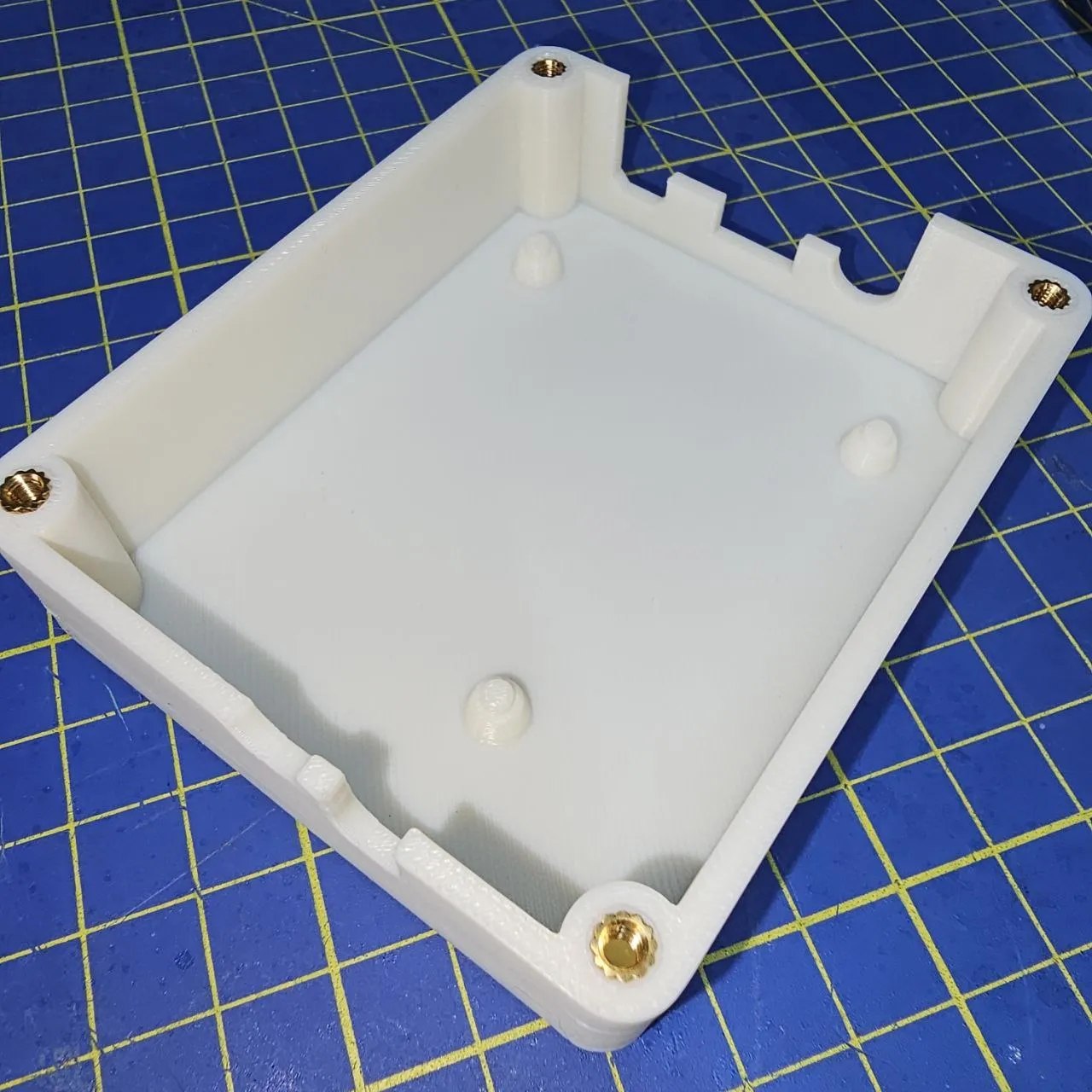
Starting from an existing, already-tested design and adapting it to the exact board stack and connector layout I needed was faster and more reliable here than modeling an enclosure from a blank canvas, especially for a stack with this many connectors and mounting constraints to get right.
The box is perfect for fitting the main board with u-blox ZED-F9P and the heading board with a second u-blox ZED-F9P. It is also ready to fit the Xbee daughter board for local communication.
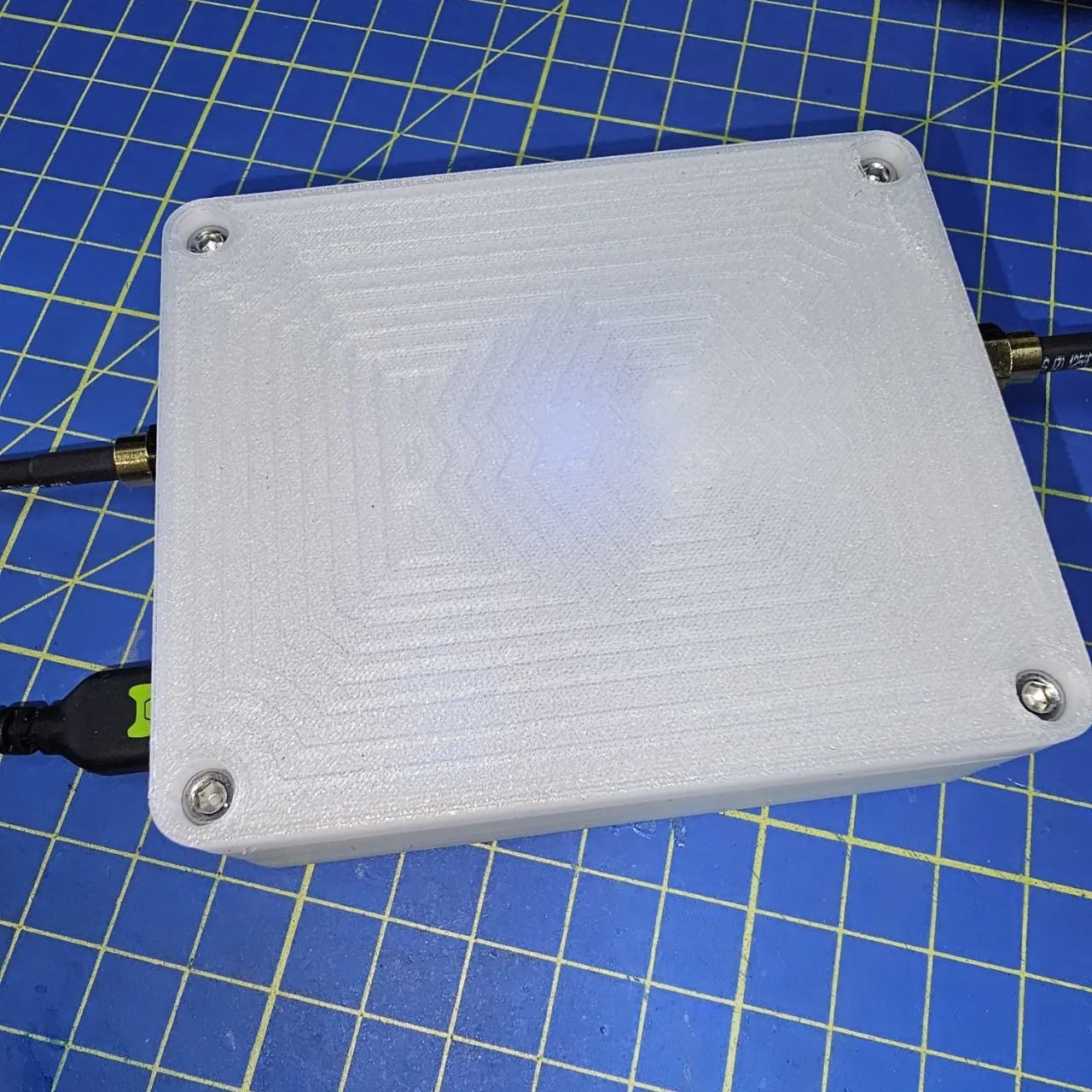
The top cover in transparent PETG lets you monitor the LEDs’ blinking to check whether the satellite fix is available.
Print profiles
The following profiles are authored by Myzhar and currently available on MakerWorld. They are synchronized from its public design API; select a profile to open it on MakerWorld.
| Profile | Materials | Weight | Print time |
|---|---|---|---|
| ASA/PETG mixed box | PETG 19 g, ASA 27 g | 46 g | 1 h 33 min |
Download
The model is free to download and print, licensed under the Standard Digital File License.