Overview
About YACC
You might be thinking, “Not another calibration cube!” but hold on, because this one is unlike any other.
Picture this: a calibration cube that not only ensures your printer is finely tuned but also allows you to test those tricky small overhangs effortlessly. That’s right, I’ve taken the classic calibration cube and given it a simple game-changing upgrade.
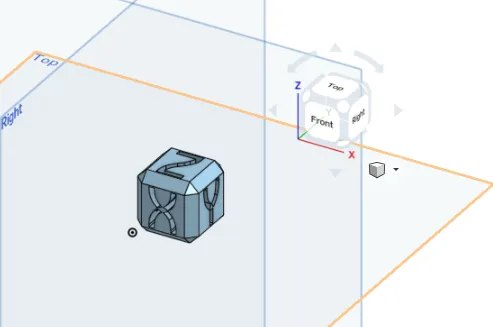
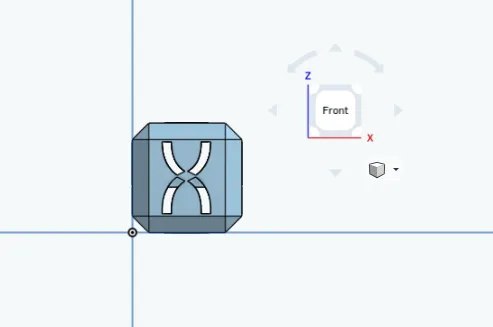
Axis labels are passthrough, making it easier than ever to keep track of your prints while simultaneously expanding the cube’s utility. Additionally, I applied chamfers to all edges and added other small overhangs to the bottom surface.
Join the revolution. Upgrade to the Ultimate Calibration Cube today.
Specifications
- 4 profiles are available for 4 different common materials: PLA, PETG, ABS, and ASA
- The size of the cube is standard: 20 mm
- The size of the chamfer at the edges is 3 mm. The width of the faces is 14 mm.
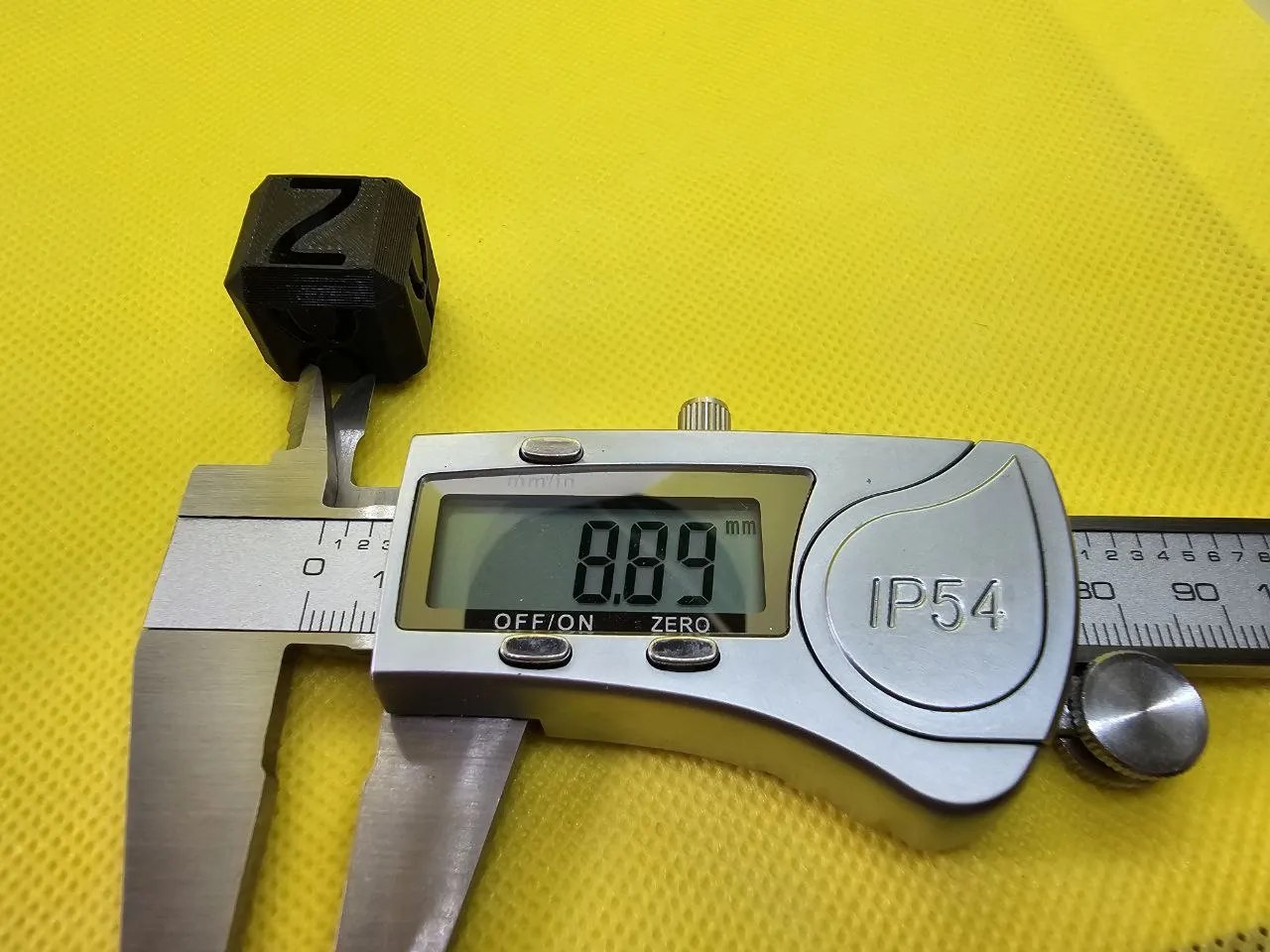
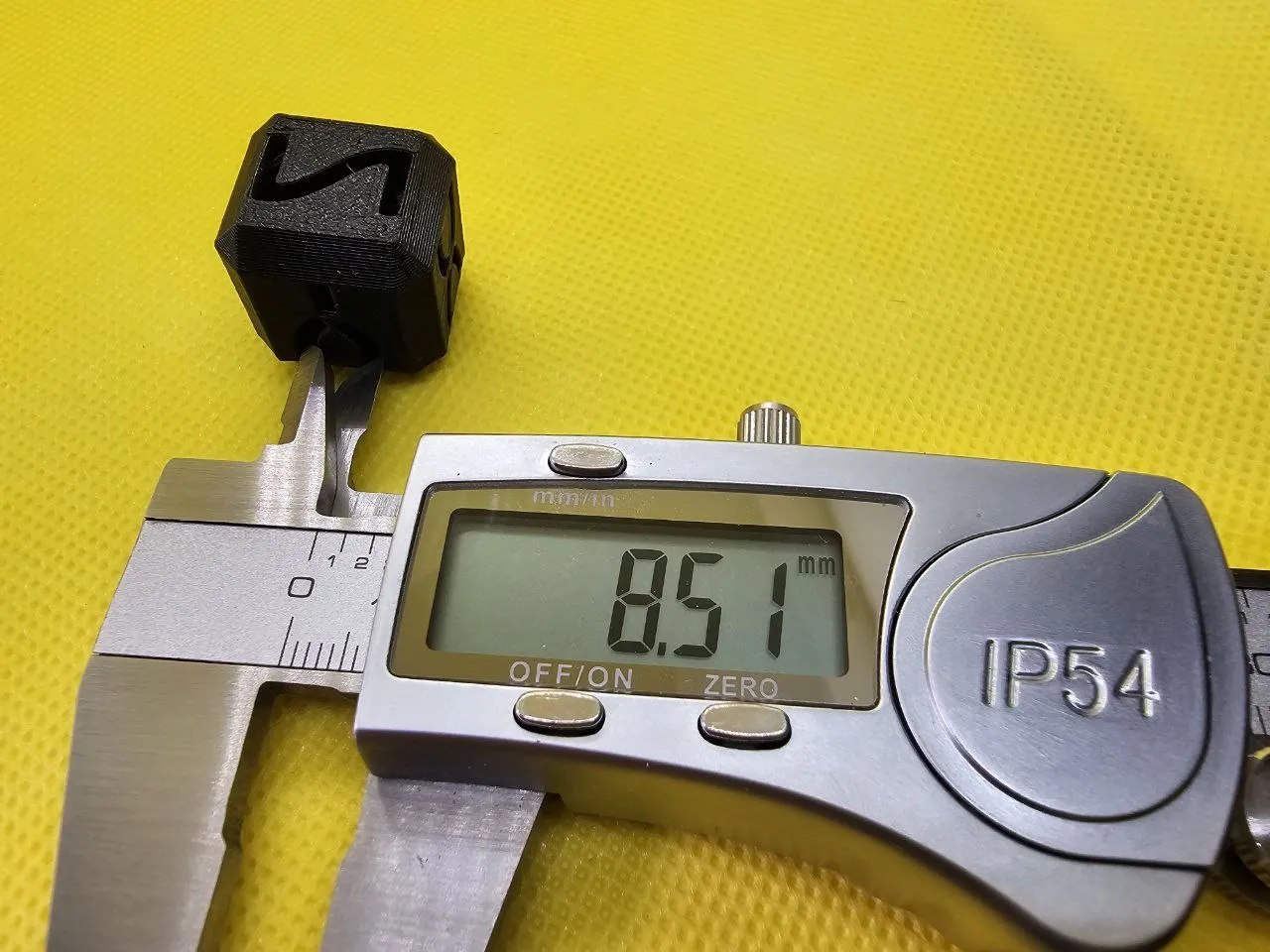
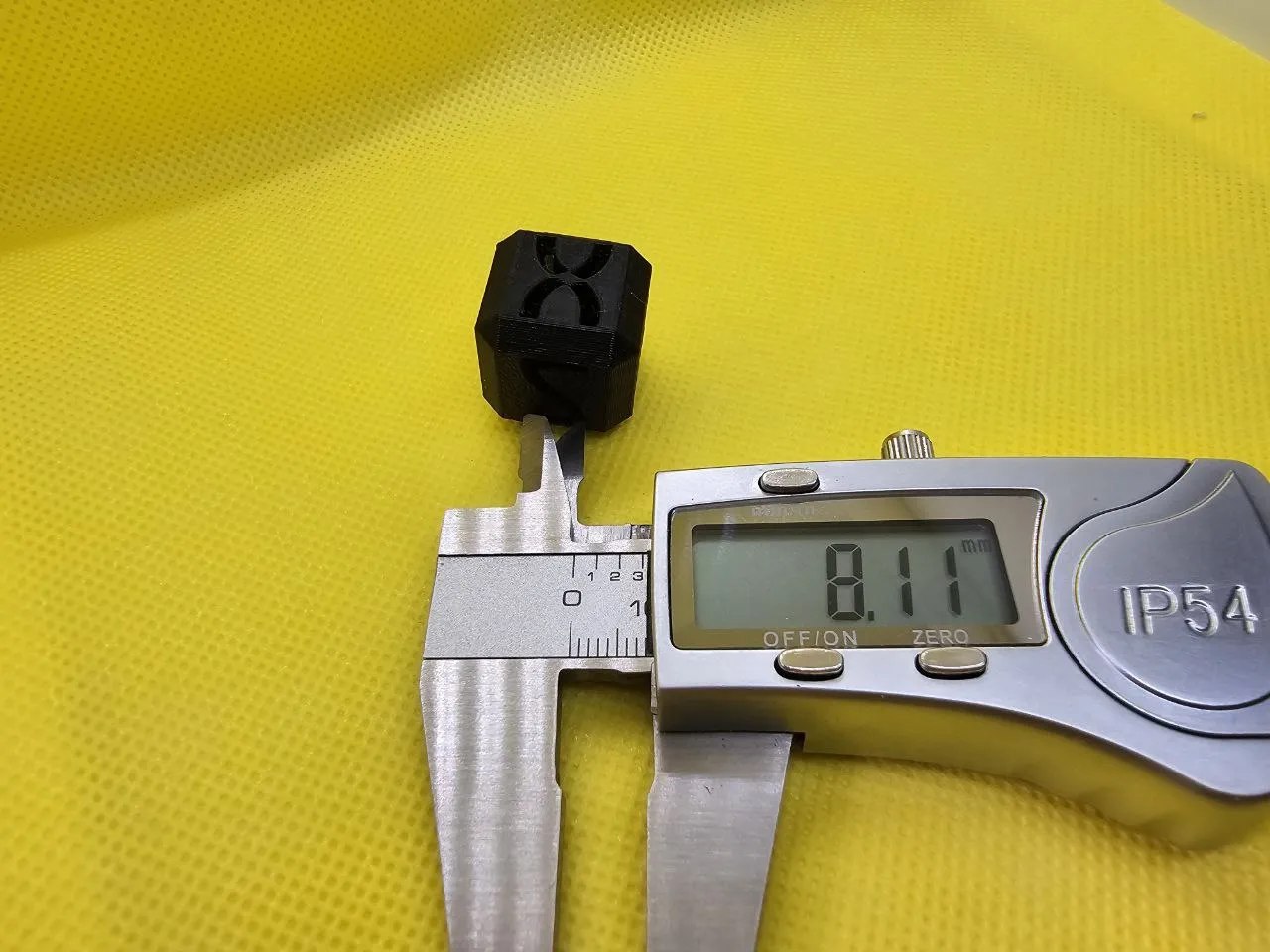
- The height of the labels is 13.2 mm. The width of the X is 8.9 mm. The width of the Y is 8.5 mm. The width of the Z is 8.1 mm.
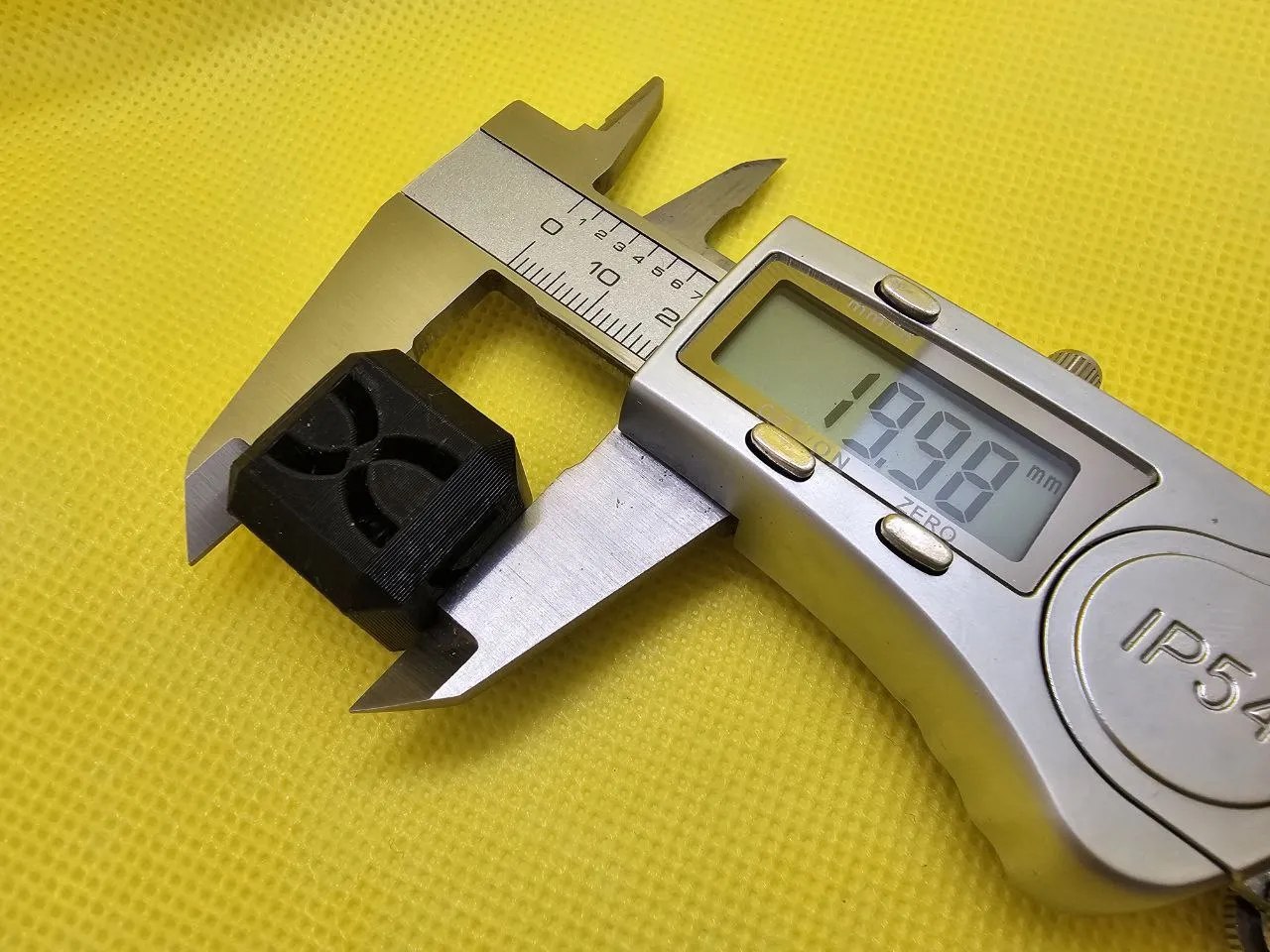
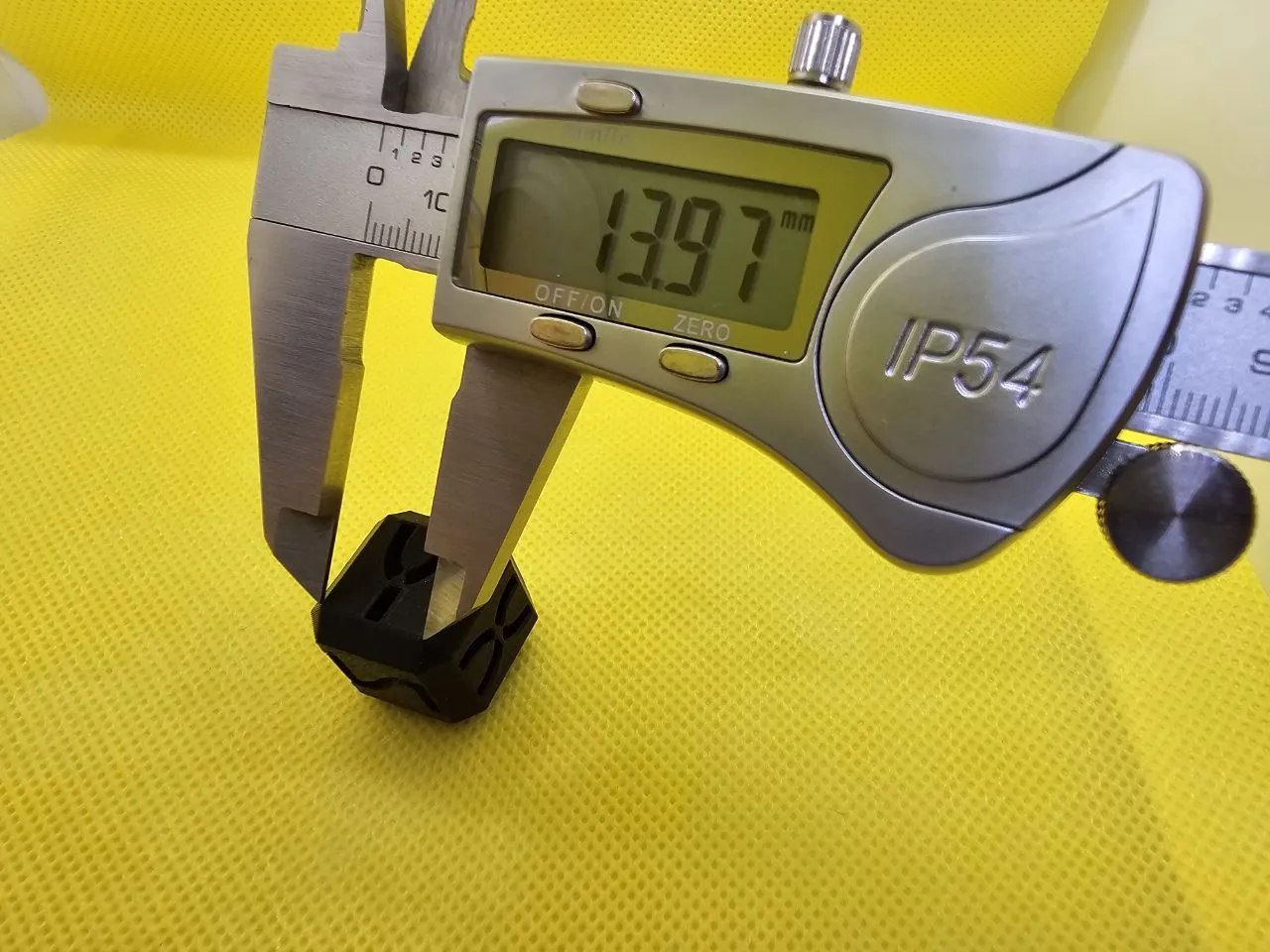
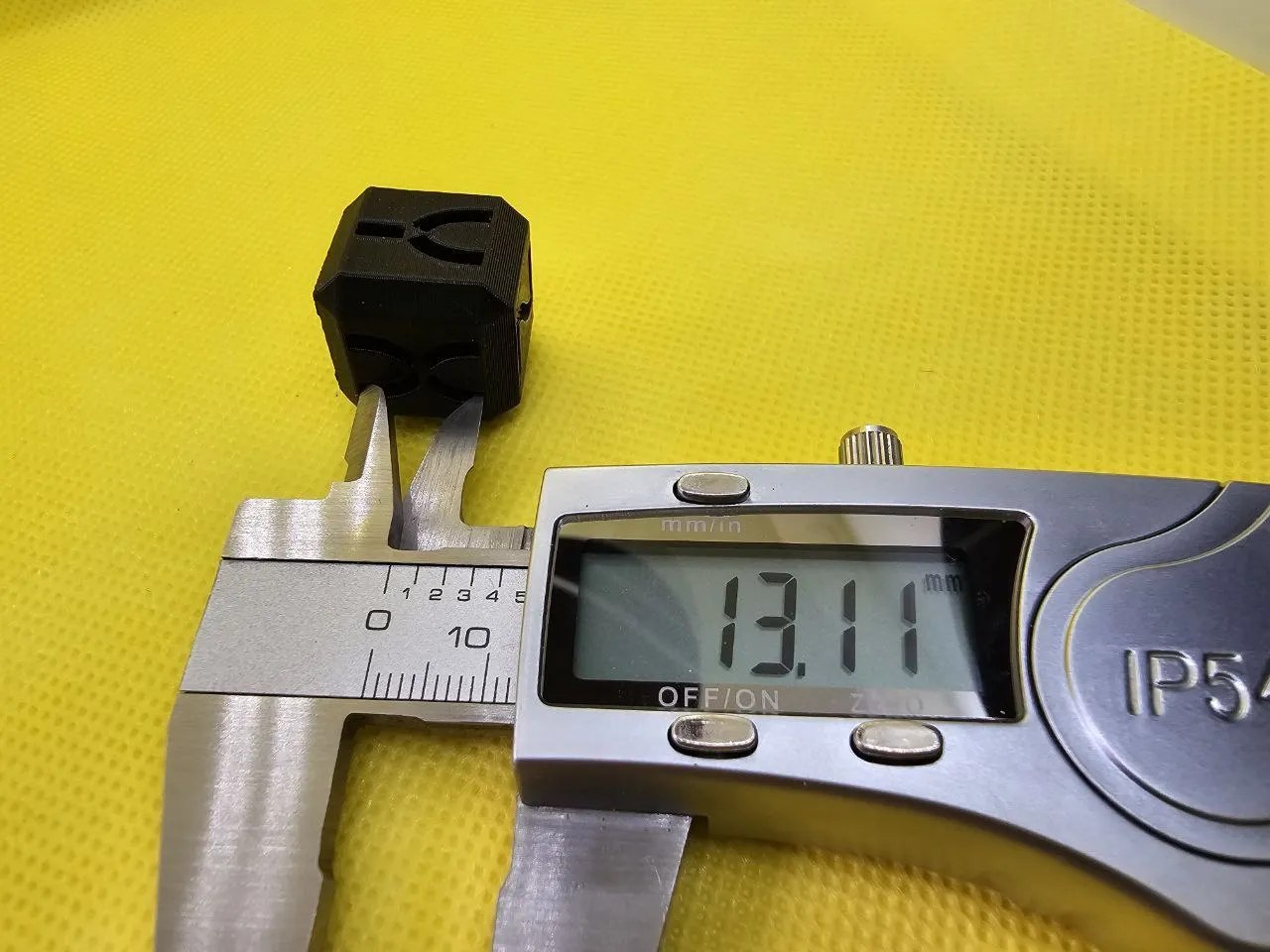
Do you want to modify my project? You can find the 3D model on OnShape
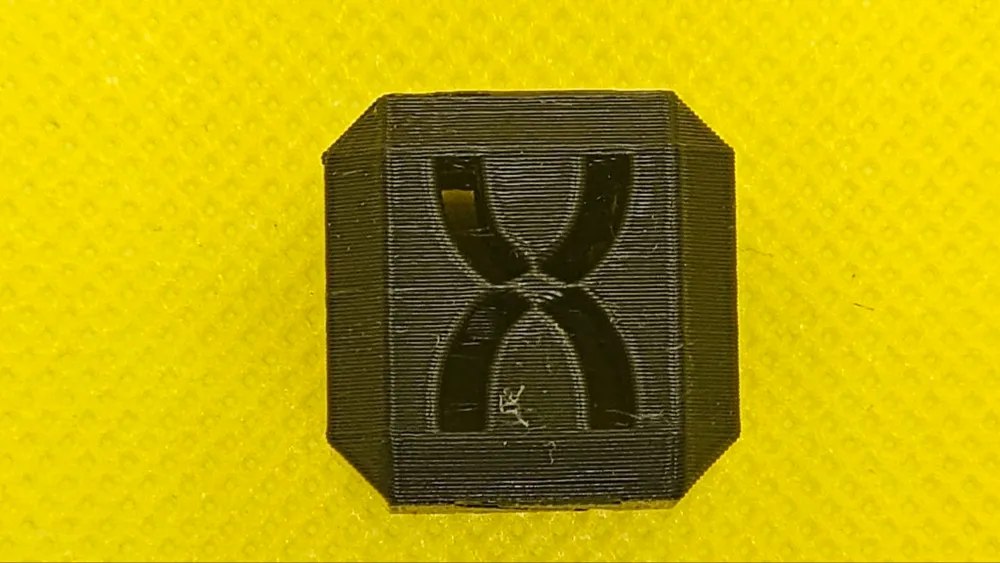
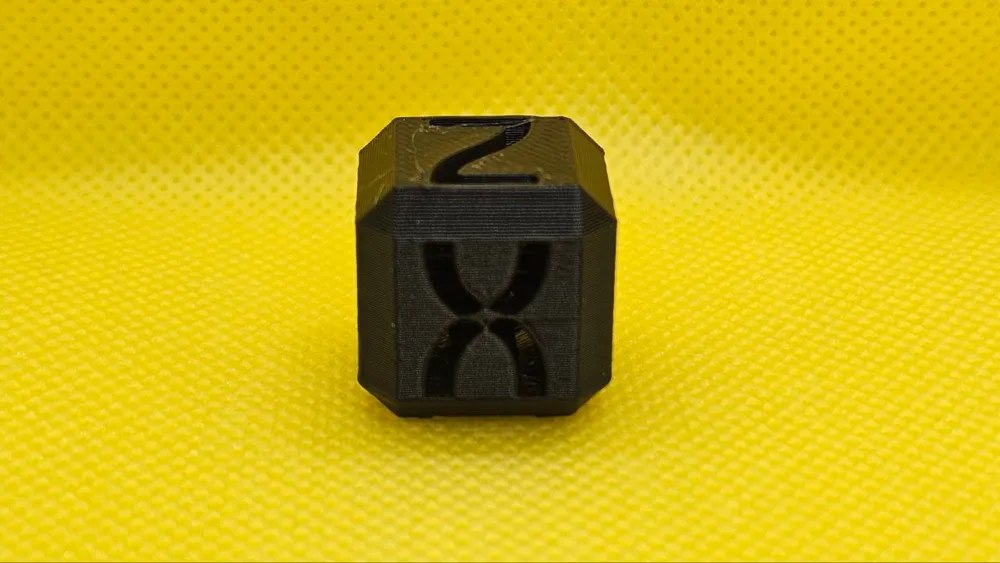
A calibration cube only earns its keep if you actually print it on every new spool or every time you touch your slicer profile, and a cube that only checks dimensional accuracy misses half the things that go wrong in practice, drooping overhangs, wobbly walls from loose belts, first-layer adhesion. Folding those checks into one object, rather than juggling three or four separate calibration prints, is the whole point of this one: one print, a few minutes of inspection, and you know whether your printer and filament combination is actually dialed in.
Keeping a fresh one printed after any hardware change, a new nozzle, a bed leveling redo, a firmware update, takes the guesswork out of whether a print quality issue afterward is the machine or just the model you happened to print next.
One small print, several calibration checks at once, and a lot less guessing about why a print came out wrong.
One cube, several checks, and a lot less guesswork afterward.
Print profiles
The following profiles are authored by Myzhar and currently available on MakerWorld. They are synchronized from its public design API; select a profile to open it on MakerWorld.
| Profile | Materials | Weight | Print time |
|---|---|---|---|
| PLA - 0.2mm layer, 2 walls, 15% infill | PLA 5 g | 5 g | 23 min |
| PETG - 0.2mm layer, 2 walls, 15% infill | PETG 5 g | 5 g | 29 min |
| ABS - 0.2mm layer, 2 walls, 20% infill | ABS 4 g | 4 g | 20 min |
| ASA - 0.2mm layer, 2 walls, 20% infill | ASA 4 g | 4 g | 20 min |
| PLA-CF - 0.6mm nozzle, 0.3mm layer, 2 walls, 20% infill | PLA-CF 6 g | 6 g | 17 min |
Download
The model is free to download and print, licensed under the Creative Commons Attribution-Noncommercial-Share Alike.